Chevrolet Car Key Replacement: What Makes It More Complex Than You Might Expect
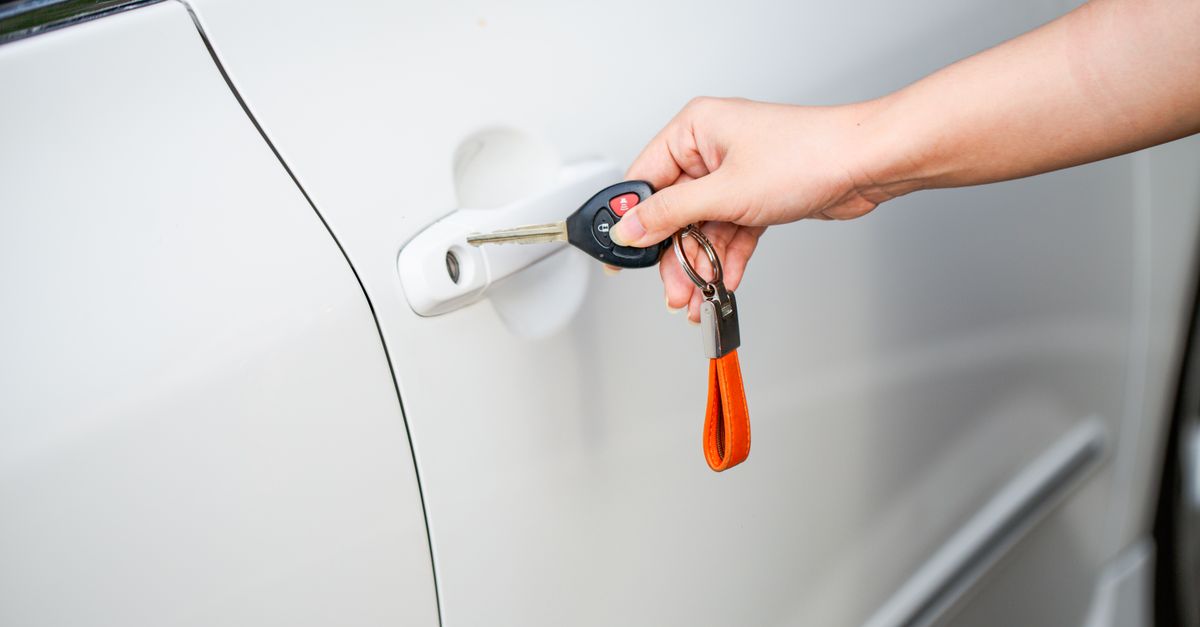
Modern Chevrolet vehicles use several layers of security technology that go far beyond a simple metal blade cut to a specific profile. Depending on the model year, your Chevy may use a basic transponder chip embedded in the key head, a proximity smart key that allows push-button ignition, a remote head key that combines a blade with built-in fob buttons, or a fully passive entry fob like those found in newer Blazer and Blazer EV trims. Each of these requires a different programming process, and attempting to use an unprogrammed key — even one that is physically cut correctly — will leave the vehicle immobilized. Our technicians arrive with automotive diagnostic and programming tools capable of communicating directly with your Chevrolet's ECU, so the chip is recognized by your vehicle the first time.
Ownership verification is a non-negotiable step in every job we take. Before cutting or programming any key, our team will confirm your identity and your ownership of the vehicle through documentation. This protects both you and the integrity of the service — it is the mark of a professional, trustworthy locksmith and something any reputable provider should do without exception. If a technician ever skips this step, that is a serious red flag. At A1 Denver Locksmith, we treat ownership verification as standard procedure, not an inconvenience.