A1 Denver Locksmith Service Team
Local locksmith team
Jun 23, 2026 12 min read
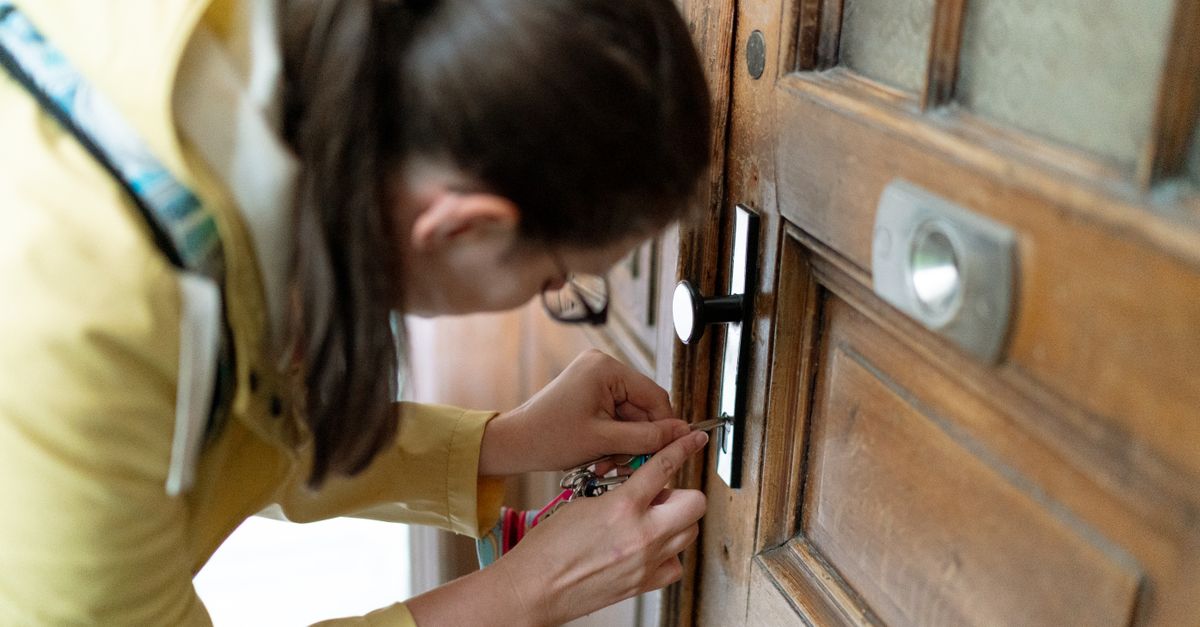
If you've ever stood outside your Denver home rattling a locked door at 11 p.m., or stared through your car window at keys dangling from the ignition in a Colfax Avenue parking lot, you already know what our most common calls look like. At A1 Denver Locksmith, we run 24/7 across the metro — from Capitol Hill to Stapleton, Green Valley Ranch to the Highlands — and the pattern in our dispatch log is remarkably consistent: most locksmith jobs trace back to a handful of situations that are almost entirely preventable.
This article breaks down the calls we handle most, explains the hardware behind them (including the mortise lock, one of the most misunderstood fixtures on Denver's older homes and commercial buildings), and gives you real, practical steps to avoid becoming one of those calls in the first place. Whether you're a homeowner, a renter, or someone who commutes across the Front Range every day, understanding what a locksmith actually does — and how to find one you can trust — is knowledge worth having before you need it urgently.
## The Most Common Locksmith Job — and Why It Keeps Happening
The single most common locksmith task we handle in Denver is the residential lockout. It beats car lockouts, rekeying requests, and commercial calls by a noticeable margin. The reasons are almost always human: a door that self-latches on the way to grab the mail, a habit of leaving the deadbolt engaged from inside before stepping out, or a spare key that 'lives' somewhere that turns out to be unreliable. Denver's older housing stock — bungalows near Washington Park, Victorian-era two-flats in the Baker neighborhood, mid-century ranches in Wheat Ridge — tends to use legacy hardware that includes mortise locks, rim locks, and lever locks, all of which have slightly different lockout profiles and require different techniques to service correctly.
What is a mortise lock, exactly? It's a lock mechanism installed inside a pocket (the 'mortise') cut into the body of the door itself, rather than mounted on the surface. Mortise locks are common on pre-1970s Denver homes and most commercial storefronts, and they're genuinely robust — but they're also more complex than a standard cylindrical knob lock. A mortise cylinder is the replaceable plug that accepts your key and drives the internal mechanism; swapping it out is a common service request when keys are lost or a tenant changes. Understanding that distinction matters when you're explaining your situation to a locksmith over the phone, because the hardware type directly affects how the job is approached and how long it takes.
## Mortise Lock, Rim Lock, Door Knob Lock — What's Actually on Your Door?
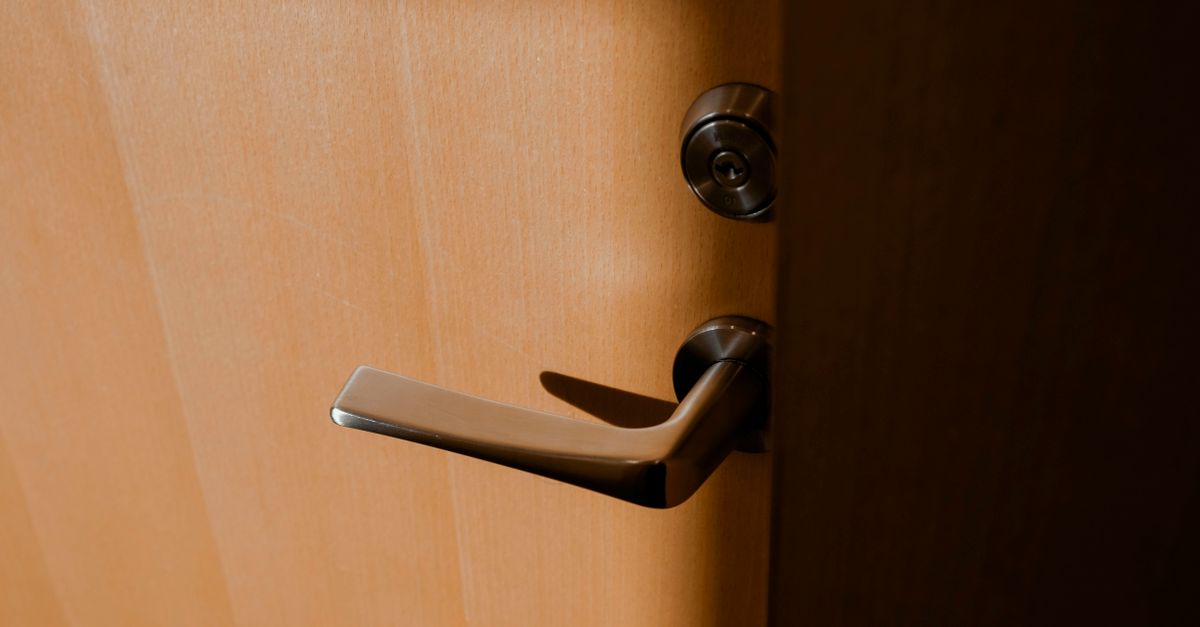
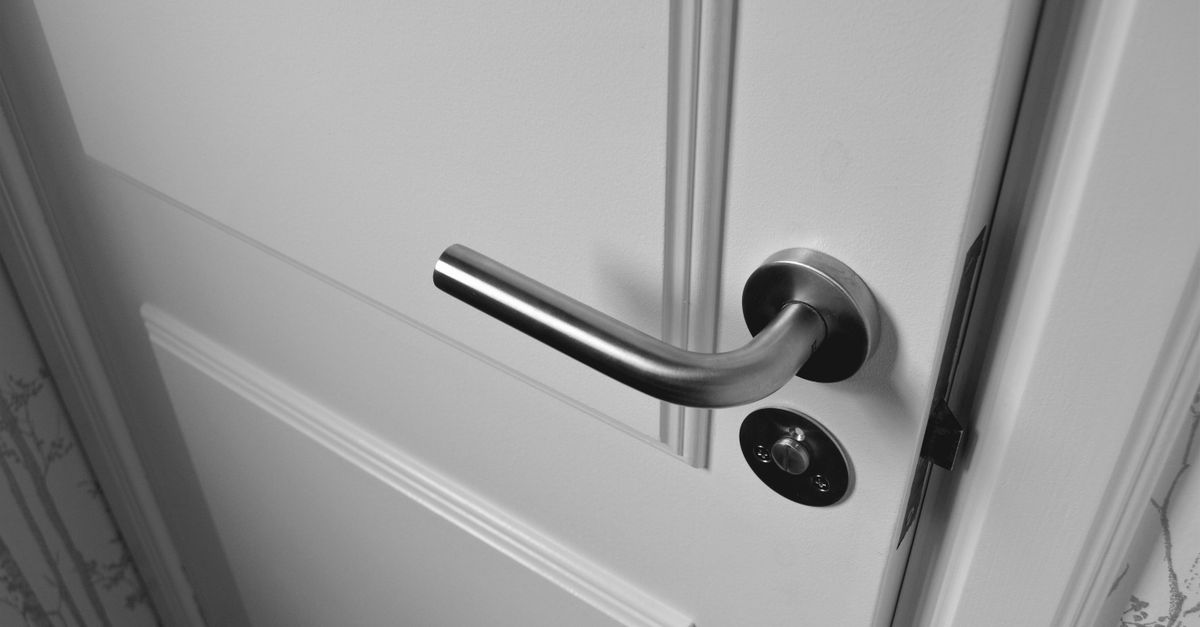
A lot of Denver homeowners don't know what type of lock they have until something goes wrong. Here's a quick field guide. A mortise lock sits inside the door, operates a latch and a deadbolt from a single case, and is usually identified by a long, rectangular faceplate on the door edge. A rim lock, by contrast, is surface-mounted on the interior face of the door — you'll see the lock body itself, rather than just a keyhole and a cylinder. A rim cylinder is the key-accepting component on the outside of the door that connects to that surface-mounted case. Rim locks were extremely common in Denver's early 20th-century residential and commercial buildings, and many are still in daily use. A lever lock uses a lever handle instead of a knob and is found across everything from ADA-compliant residential builds to office suites. Knowing which you have helps you communicate clearly when you call a locksmith.
A quick note on a question we occasionally get from riders: what is a rim lock on a dirt bike, or a rim lock on a motorcycle? That's a completely different animal — it's a rubber band that seats the tire bead against the wheel rim to prevent the tube from rotating. Our team handles door and vehicle locks, not motorcycle wheel components, so if you're a rider with that question, you'll want to reach out to a cycle shop. For everything else on your home, car, or business door, we have you covered around the clock. If you're not sure what hardware is on your property, call us at (631) 380-4138 and describe what you see — our team can usually identify it from a description and tell you exactly what service you need before we arrive.
## Emergency Locksmith Calls, Car Lockouts, and the Commercial Locksmith Side of Our Work
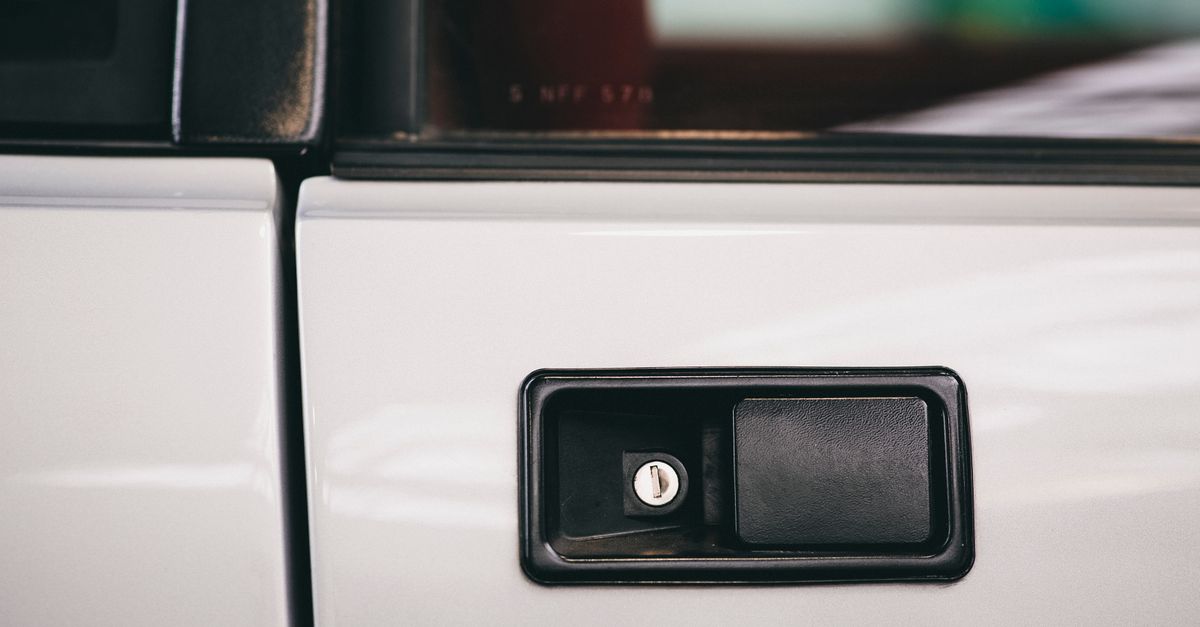
Car lockouts are a close second to residential calls in our volume, and they spike predictably during Denver's tourist seasons — summer near Red Rocks, ski season when people pack quickly and leave keys in jacket pockets. The question we hear most often in these situations is: is it cheaper to call an auto locksmith or a dealer? The honest answer is that a mobile locksmith almost always gets to you faster and with fewer administrative hurdles. Dealers typically require the vehicle to be towed to their service bay, and they set their own schedules. A mobile locksmith comes to where you and your vehicle are. As for cost: the factors that shape any quote include the vehicle make and model (some modern vehicles with advanced transponder systems require more time and specialized equipment), the time of day, your location, and whether any physical parts need to be replaced. We confirm an exact price before any work begins — always.
Commercial locksmith work rounds out our busiest category. Denver's LoDo corridor, the RiNo art district, and the growing tech-office cluster along the 16th Street Mall all generate steady calls for master key system setup, access control installation, and after-hours emergency locksmith response when a business can't secure its premises. Commercial hardware almost always involves a mortise lock at entry points, and the mortise cylinder in those locks must often be keyed to match an existing master system — a detail that requires real skill and attention to get right. We also handle panic bar installation, high-security deadbolt upgrades, and door frame repairs after forced-entry incidents. How much do locksmiths make in Colorado? It's a fair question that reflects how specialized the trade is — experienced locksmiths command professional wages here precisely because the hardware knowledge required spans everything from antique rim locks to modern electronic access panels.
## Can You Trust a Locksmith? How to Verify Before You Let Someone Work on Your Home
This is one of the most important questions you can ask, and the fact that you're asking it is a good sign. The locksmith industry has a real problem with deceptive listings — phone numbers that route to call centers, technicians who arrive with no identification and inflate prices after the job starts. Here's how to protect yourself. First, look for a locksmith with a verifiable local presence: a real street address in the Denver area, a consistent phone number, and a track record of actual local reviews that mention specific neighborhoods. Second, ask directly whether the technician who arrives is employed by the company you called. Third, ask for the final price to be confirmed before any work begins. A trustworthy locksmith will give you that without hesitation.
At A1 Denver Locksmith, we're insured, and every technician who arrives at your door is part of our own trained team — not a subcontractor dispatched from a distant call center. We carry identification and are happy to explain exactly what we're doing and why before we start. How does a locksmith open a locked door? The method depends entirely on the lock type and the situation. For a lockout with no damage to the hardware, a skilled locksmith will use non-destructive techniques specific to the lock in question — whether that's a mortise lock, a rim cylinder, a standard door knob lock, or a deadbolt. Drilling is a last resort, not a first step, and any professional will explain the options and their trade-offs before touching your door. We never use or describe forced-entry methods that could enable unauthorized access — what matters is that the right tool meets the right lock in the hands of someone you've verified and invited to help.
## Preventing a Lockout — Practical Steps That Actually Work
The best locksmith call is the one you never have to make. A few habits go a long way. Install a combination lockbox — the kind that mounts to an exterior wall or a hitch ball — and keep a spare key inside it. Share a spare with a neighbor you trust, not just a family member who lives 40 minutes away in Aurora. If your exterior doors use a mortise lock or an older rim lock, have a locksmith assess the hardware once a year — worn cylinders and misaligned latches are leading causes of lockouts and are cheap to address before they strand you. For car keys, consider a magnetic key box tucked in a discreet location on your vehicle's frame, and always check for your keys before closing the car door, especially in cold weather when remote fobs can behave unexpectedly.
Beyond prevention, know your response plan. How long does it usually take for a locksmith to come? In the Denver metro, a mobile locksmith can typically reach most neighborhoods in under 30 to 45 minutes depending on traffic and your exact location — though response time in outlying areas like Parker or Evergreen may be longer. Having our number already saved — (631) 380-4138 — means you're not burning time on a search when you're stressed and standing in the cold outside your door. We answer every call, every hour, every day of the year. There is no after-hours voicemail and no next-business-day queue. When you need an emergency locksmith, that's what you get.
## Our Full Range of Services — What A1 Denver Locksmith Handles
People are often surprised by the breadth of what a full-service mobile locksmith covers. Here is a specific look at what our team handles across Denver: residential lockout service, car lockout service, truck and SUV lockout service, high-security deadbolt installation, mortise lock installation and repair, mortise cylinder replacement and rekeying, rim lock service and replacement, lever lock installation, door knob lock replacement, master key system design and setup, commercial lockout response, office building rekeying, access control system installation, keypad and smart lock installation and programming, transponder key cutting and programming, car key fob replacement and programming, broken key extraction from locks and ignitions, lock rekeying after a move or tenant change, lock rekeying after a break-in, panic bar and push bar installation, mailbox lock replacement, storage unit lock installation, safe opening and combination changes, sliding glass door lock repair, garage door lock and handle replacement, window lock installation, and door frame and strike plate reinforcement after forced entry. If you have a lock-related situation that isn't on this list, call us anyway — there's a good chance we can help or point you in the right direction.
Frequently asked questions
What is the most common locksmith task handled in Denver?+
Residential lockouts are the most frequent call we respond to across the Denver metro. They're followed closely by car lockouts and rekeying requests — the latter especially common after a move into a home near Capitol Hill, Park Hill, or any of Denver's older residential neighborhoods where locks may not have been changed in years. The underlying hardware on many of these calls involves a mortise lock or a rim lock, both of which require specific knowledge to service without causing damage.
How much is the average locksmith charge, and what factors affect the price?+
There's no single flat rate in the locksmith industry, and any company that quotes a price without knowing the details of your situation is guessing. The honest factors are: the type of lock involved (a standard door knob lock costs less to service than a mortise lock or a high-security deadbolt), the time of day (emergency locksmith calls outside business hours involve different logistics), your location within the Denver area, and whether any parts — a new cylinder, a new key, a replacement lock body — are needed. At A1 Denver Locksmith, we assess those variables when you call and confirm an exact price before any work begins. There are no surprise charges at the end of the job.
Can I trust a locksmith who shows up at my door? How do I verify them?+
This is a smart question and one you should always ask. Verify that the technician arrives in a marked vehicle or carries company identification. Confirm that the number you called connects directly to the company — not a national call center that dispatches third parties. Ask for the final price to be stated and agreed upon before work starts; a trustworthy locksmith will do this without hesitation. At A1 Denver Locksmith, our technicians are part of our own trained, insured team. We are not a referral service or a directory. When you call (631) 380-4138, the person who answers and the person who arrives are from the same operation.
What is a mortise lock, and do I need a special locksmith to service one?+
A mortise lock is a lock mechanism installed inside a cavity cut directly into the door edge, rather than bolted onto the surface. It typically operates both a latch and a deadbolt from a single internal case and is identified by a long rectangular faceplate visible on the door edge. Mortise locks are common on older Denver homes, apartment buildings, and commercial storefronts throughout neighborhoods like LoDo and the Baker District. Servicing a mortise lock — whether that means extracting a broken key, replacing the mortise cylinder, or rekeying it to a new key — does require specific training and tools. A locksmith experienced with legacy hardware will handle it correctly and without damaging the door. Our team works with mortise locks regularly and can service, rekey, or replace them as needed.